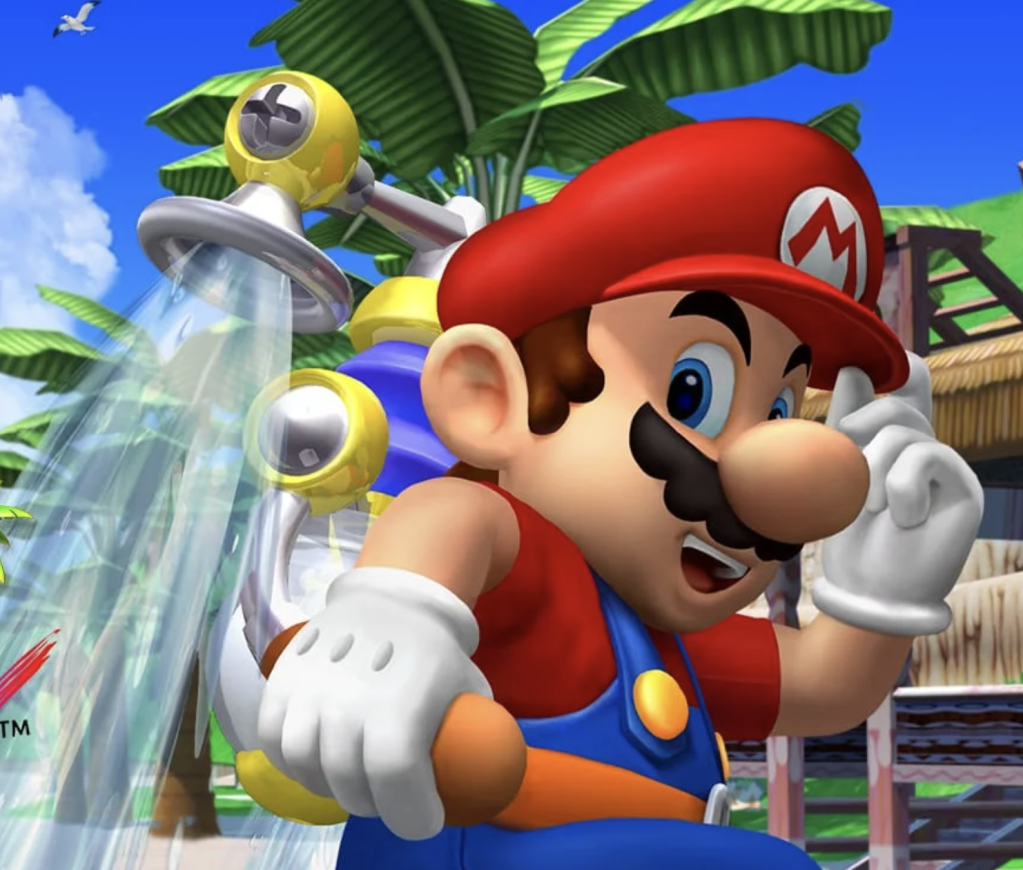
2000s 3D platformers are back in an indie game explosion
By: Joshua Ceballos
I grew up in the early 2000s. My introduction to gaming was primarily through my older brother and cousins. I absorbed whatever they were playing while relegated to a voyeur’s role without access to the controller.
The first games I ever saw were N64 classics like “Goldeneye,” “Madden NFL,” “Starfox 64,” and “Tony Hawk Pro Skater.”
It wasn’t until the early aughts started chugging along, and we started getting access to new consoles, that my brother finally started to let me play. The GameCube and PS2 were some of the first consoles I was actually allowed to touch, and with that newfound agency came some of the iconic gaming experiences I’ve kept with me for the rest of my life: “Super Mario Sunshine,” “Jak and Daxter,” and “Ratchet and Clank,” just to name a few.
I fell in love with 3D platformers like “Ty the Tasmanian Tiger” and “Sonic Adventure,” and gobbled them up as quickly as I could. I’d wade through the games section of Blockbuster or f.y.e. to rent anything that looked vaguely similar to “Spyro” or “Crash Bandicoot” or anything else my brother owned.
While the wider gaming industry largely moved on from the 3D platformer, I never quite let go. I’ve long been chasing the high of bounding through colorful, fully imagined worlds with vertical and lateral movement that feels better than butter.
That’s why the latest crop of indie games has me practically frothing at the mouth.
The 2000s are back, baby.
X, formerly Twitter (I hate this), has been popping off in recent weeks with trends that have helped indie developers big and small reach new audiences and show off their projects.
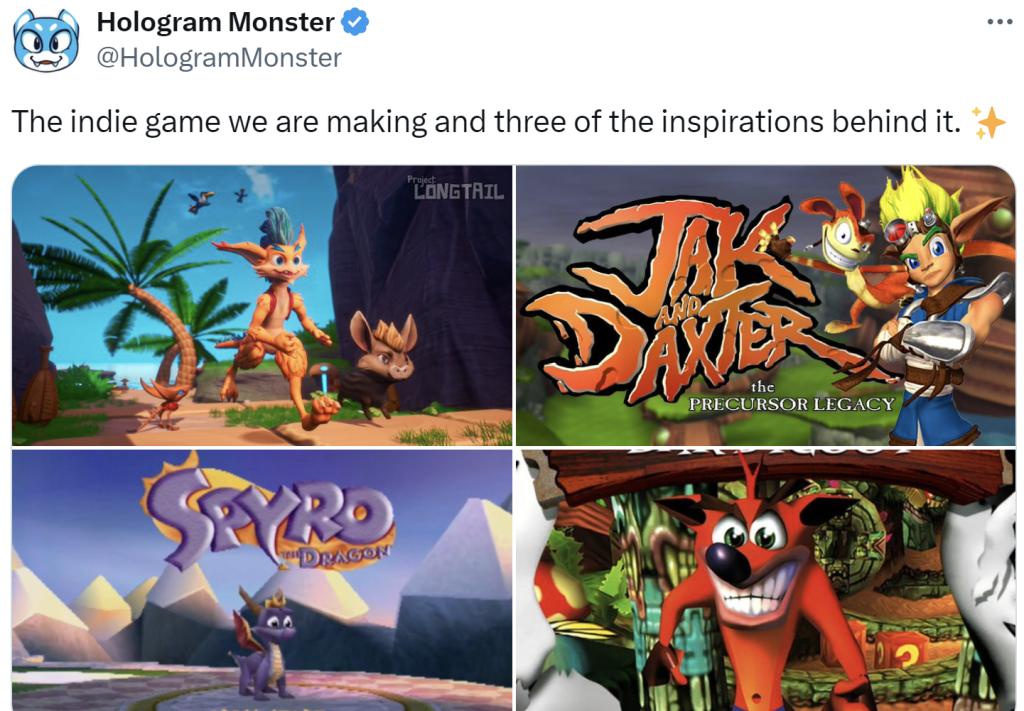
One of the most successful ones I saw had developers post a four-photo grid that showed their game and three inspirations behind it. Those inspirations were usually other games, but they could also include other forms of media like movies, books, music, and even visual art.
The trend garnered developers a bunch of followers and wishlists on Steam because it easily communicated to players what their game would be like, and in many cases, it tapped into a kind of shared nostalgia.
“Wait, you liked that game too? I used to love this!”
My timeline was replete with games like “Project: Longtail,” a 3D platformer from Hologram Monster that harkens back to the Gamecube and PS2 era of gaming.
It’s got a fun-looking anthropomorphic mascot of indiscriminate species, a vibrant and cartoony aesthetic full of lush environments, and what looks to be a satisfying moveset of double jumps, long jumps, and dashes — all the ingredients that could make for one of the beloved puzzle-platformers of yore.
But this wasn’t the only new game that caught my eye.
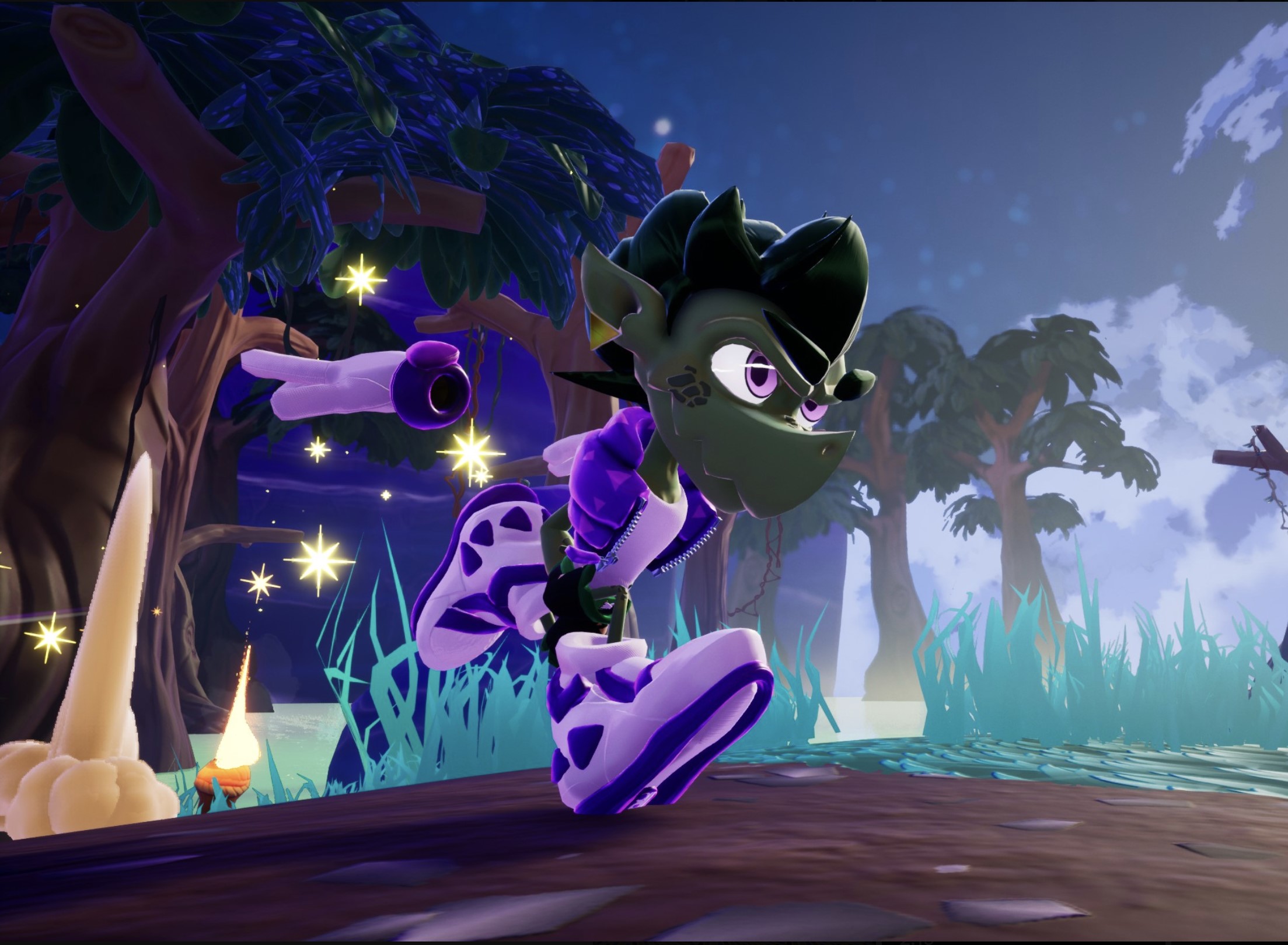
There was also Rad Venture by Knick-Knack Games LLC: a fast-paced collectathon platformer that reminds me of “Ty the Tasmanian Tiger” and the 3D “Rayman” games, what with its spinny, armless protagonist. I recently had a chance to play the demo for this one, and I’m really looking forward to the full release.
Super Mario Sunshine — possibly my favorite game of all time — is having something of a moment in the sun with recent indie titles.
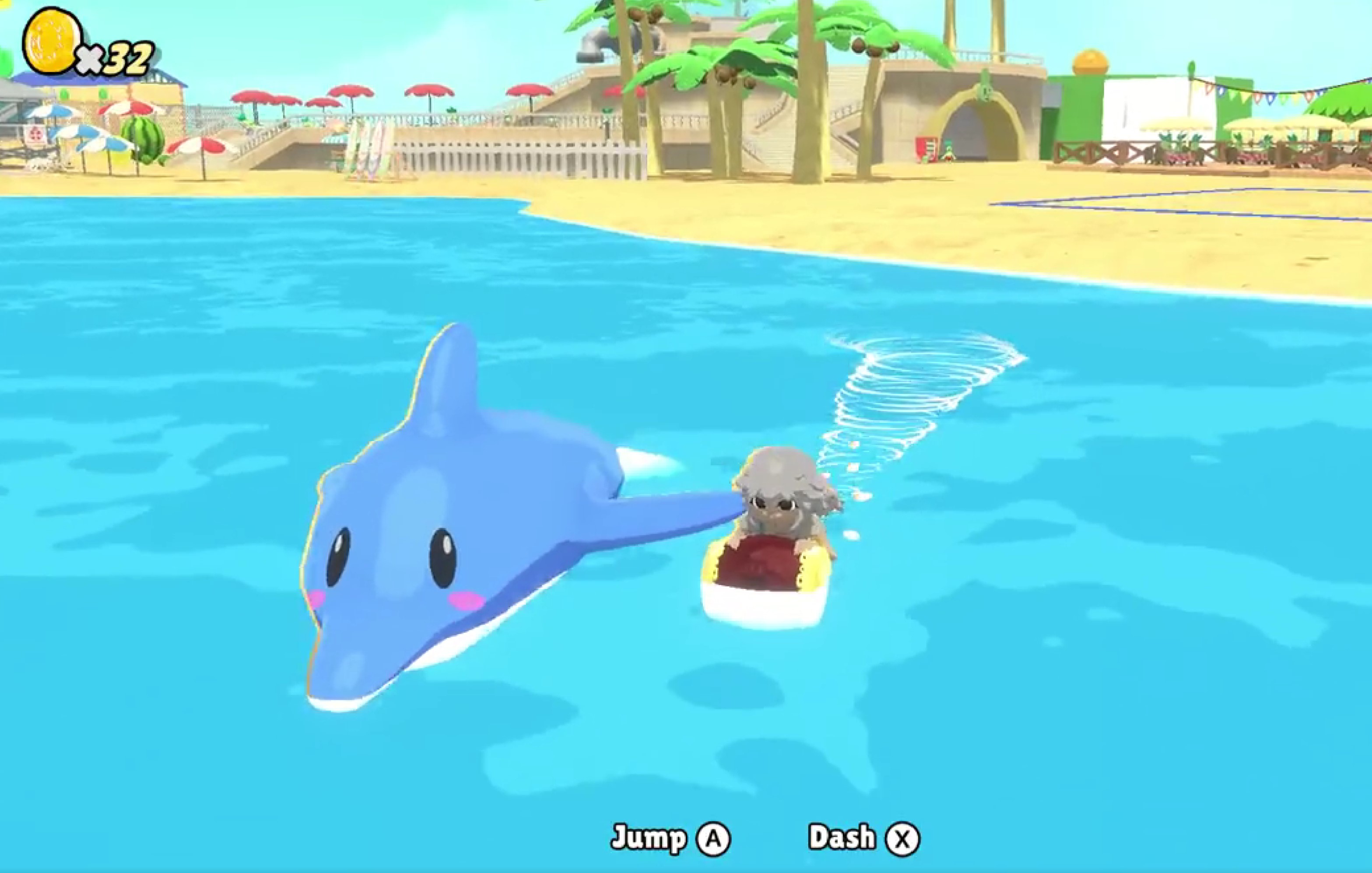
Not long ago, the fabulous “A Hat in Time” displayed deeply shared DNA with Nintendo’s 2002 classic. And still on the horizon is “Sunhara: Ecorpy Islands,” an indie game currently in development by Clover Atelia that takes direct inspiration from Sunshine, as it apes the sun-drenched tropical vistas covered in viscous goop to charming effect.
Imitation is the sincerest form of flattery, and I don’t fault the French developer for mimicking greatness.
You can find their Kickstarter campaign here.
Countless indie developers posted their darlings as part of this inspiration trend and others, and I was amazed to see the same games that I held so dearly from my childhood motivating so many people who are making games today.
I guess that’s something that comes with getting older: your contemporaries start create and put work into the world, and you can see your shared experiences get iterated upon in the marketplace of ideas.
Big time publishers may not be interested in jumpy, floaty games with loveable little protagonists, but the indie scene is ready to explode with them. And me? I’m eager to jump back in.
Find me on X @BarrelRollBlog_
 Barrel Roll
Leave a comment